


Vegetables are an essential part of our daily diet, and their manufacturing process plays a crucial role in making them available to us. The process of vegetable manufacturing involves a series of steps that ensure the quality and freshness of the vegetables. In this blog post, we will discuss what the process of vegetable manufacturing entails.
1: Harvesting
The first step in the process is harvesting. Vegetables are usually picked when they are mature and ready to be eaten. The timing of harvesting varies depending on the type of vegetable, as some may require more time to mature than others.
2: Sorting and Grading
After harvesting, the vegetables are sorted out, and any damaged or defective products are removed from the batch. This step is essential to ensure that the vegetables are of good quality and have no defects.
Once the sorting is complete, the vegetables are graded according to their size, shape, and color. Gradings help determine which vegetables will be sold to which market. The highest-grade vegetables are usually sold in supermarkets and high-end shops.
3.Processing
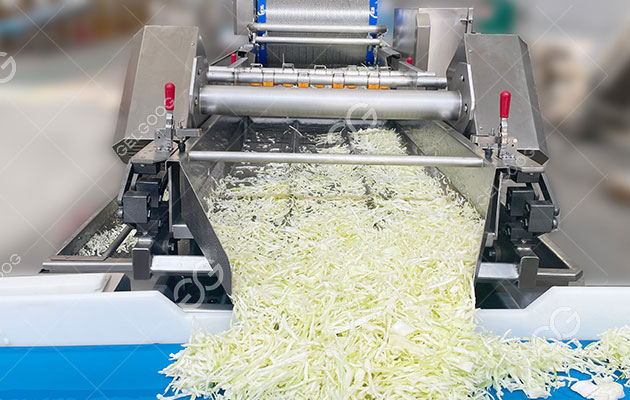
Processing can vary greatly depending on the type of vegetable and its intended use. Some vegetables are canned, others are frozen, dried, or pickled with vegetable processing line. Here are a few examples:
Canning: Vegetables are blanched to kill any microorganisms, then packed into cans with a liquid (often water or brine) and sealed. The cans are then heated to sterilize the contents, ensuring a long shelf life.
Freezing: Vegetables are blanched to stop enzyme activity and preserve color, then quickly frozen to lock in freshness.
Drying: Some vegetables, like tomatoes or peppers, are dried to reduce their water content, which extends their shelf life and changes their texture and flavor.
Pickling: Vegetables are submerged in a vinegar solution, which preserves them and gives them a tangy flavor.
4. Packaging
Packaged vegetables must be protected from damage and contamination. They are often wrapped in plastic or placed in airtight containers to maintain freshness. The packaging also includes labels with nutritional information and cooking instructions.
5. Quality Control
Throughout the manufacturing process, quality control checks are performed to ensure the vegetables meet safety and quality standards. This includes testing for pesticide residues, microbial contamination, and checking the color, texture, and taste of the vegetables.
6. Distribution
Finally, the packaged vegetables are transported to distribution centers and then to stores where they are sold to consumers. The entire process is timed to ensure that the vegetables remain fresh and nutritious by the time they reach your table.
In conclusion, the process of vegetable manufacturing is a complex one that involves many different steps. From harvesting to storage, every step plays a crucial role in ensuring that the vegetables are of good quality and fresh when they reach the end consumer.
If you want to start a vegetable processing business, you can contact us at any time and we can provide you with a complete solution and quotation.


